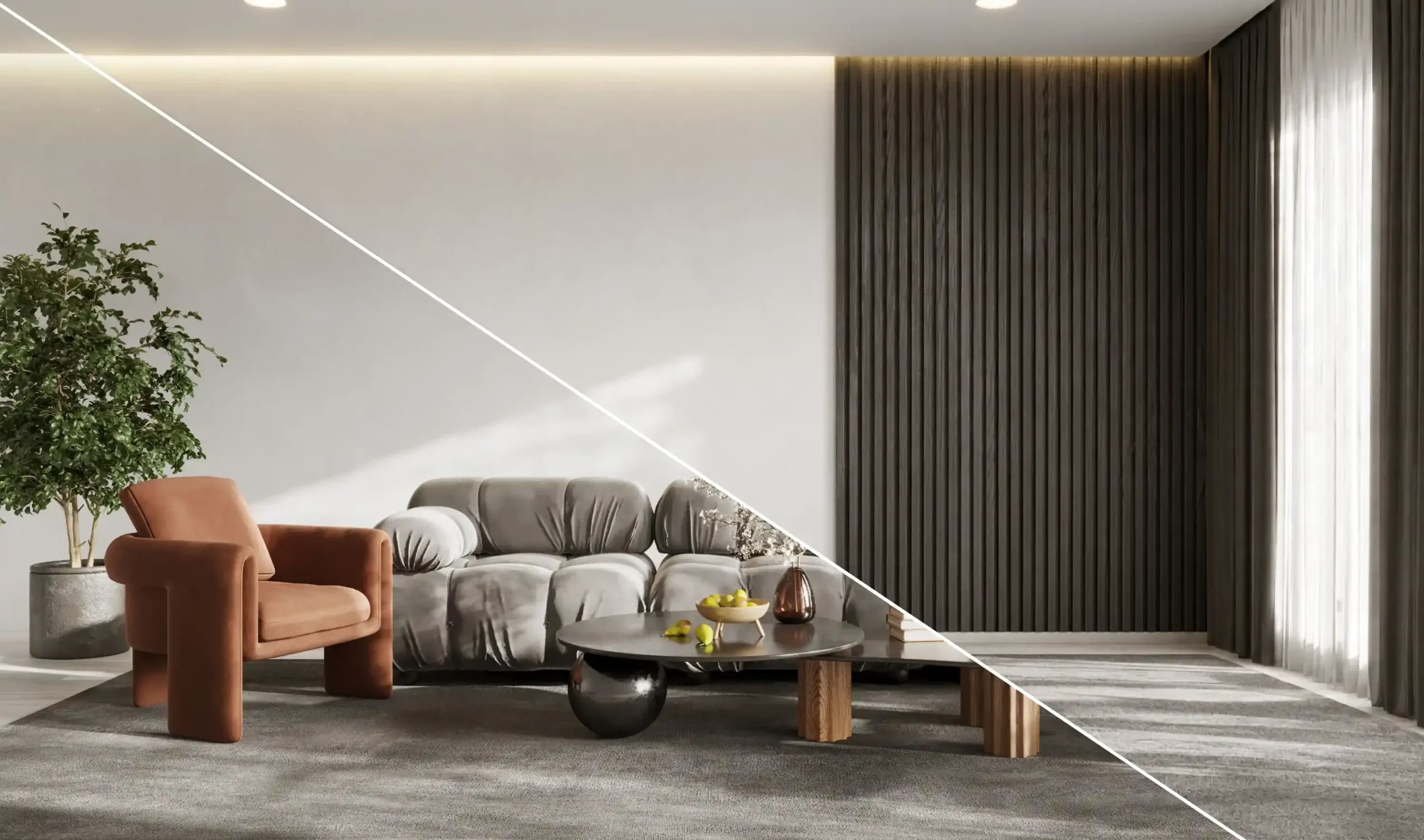
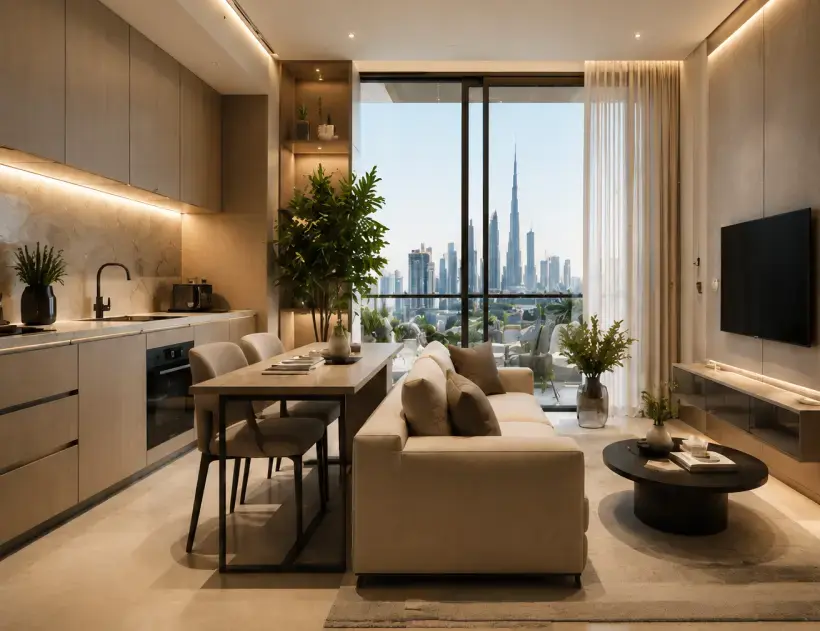
A newly renovated apartment can attract attention much faster than an identical unit with an outdated kitchen, worn flooring, and bathrooms that haven’t been updated in years. Both properties may have the same location, floor area, and building amenities, but buyers are unlikely to see them in quite the same way.
That’s why renovation deserves consideration as part of a property investment strategy.
In Dubai, where buyers and tenants can compare numerous properties within the same residential community, the condition of an interior can influence how a home is perceived. A well-maintained property with practical layouts and consistent finishes may be more appealing than one that requires immediate work after purchase.
However, not every renovation increases property value, and spending more doesn’t automatically produce a better result.
The important question is which improvements make a property more attractive, functional, and competitive without investing in features that buyers may not value.
How Renovation Can Increase Property Value in Dubai
Property value depends on several factors, including location, building quality, floor area, views, market conditions, and comparable transactions. Renovation cannot change most of these.
What it can change is the condition and presentation of the property itself.
Consider two apartments in the same building. One has original cabinetry, dated bathroom fittings, damaged flooring, and inconsistent finishes. The other has a practical kitchen, updated bathrooms, good lighting, and a consistent interior design.
A buyer considering the first apartment may need to account for the inconvenience of organizing renovation work after moving in. The second may offer the advantage of being ready to occupy.
That difference can influence buyer interest and willingness to pay, although the final selling price will still depend on the market.
For landlords, renovation can also affect rental appeal. Tenants often pay close attention to kitchens, bathrooms, storage, and the overall condition of a home, particularly when comparing similar apartments or villas.
The strongest renovation investments usually address issues that prospective occupants would otherwise need to solve themselves.
Start With the Property, Not the Design
Before choosing tiles or kitchen finishes, look at the property as a whole.
What is its current condition? Which features are outdated? Are there problems that affect everyday use? How does the interior compare with similar properties in the same building or neighbourhood?
These questions matter more than selecting a particular design style.
For example, renovating an apartment in Dubai Marina may involve different priorities from upgrading a family villa in Arabian Ranches. Apartment buyers may pay close attention to storage, kitchen layouts, and the condition of bathrooms. Villa buyers may also consider the functionality of larger living areas, bedrooms, and outdoor spaces.
These are general considerations rather than fixed rules. The property’s layout and intended occupants should guide the decisions.
It also helps to establish the purpose of the renovation.
A property intended for immediate resale may benefit from broadly appealing finishes and targeted improvements. A long-term rental property may require materials selected for durability and maintenance. An owner-occupied home can accommodate more personal choices because the homeowner will enjoy the improvements directly.
Without a clear objective, it’s easy to spend money on changes that look impressive but contribute little to the property’s practical or market appeal.
1. Kitchen Renovation: One of the Most Noticeable Upgrades
The kitchen is often one of the first areas buyers and tenants examine.
Outdated cabinets, worn countertops, insufficient storage, and poorly positioned appliances can make an otherwise attractive apartment feel neglected.
But a successful kitchen renovation involves more than replacing visible finishes.
Start with the layout.
Is there enough space for food preparation? Can cabinet doors and appliances open comfortably? Are frequently used items easy to reach? Does the kitchen provide sufficient storage without overcrowding the room?
In some Dubai apartments, the original kitchen arrangement makes poor use of the available space. A better cabinet configuration, integrated appliances, or more practical countertop arrangement can improve functionality without necessarily changing the room’s footprint.
Material selection is equally important.
Cabinet surfaces, countertops, hardware, and finishes should be appropriate for regular use and cleaning. Expensive materials are not automatically the best choice, especially for rental properties where ease of maintenance matters.
For investment-focused renovations, a clean, functional kitchen with reliable components is often a more sensible objective than an elaborate design with features that may not appeal to every buyer.
2. Bathroom Renovation: Address Condition Before Appearance
Bathrooms can strongly influence how buyers judge the overall condition of a property.
Discoloured grout, damaged tiles, ageing sanitary fittings, poor ventilation, and visible moisture damage can raise concerns about maintenance.
These issues are especially important because bathroom problems are not always limited to what can be seen.
Before installing new tiles or replacing sanitaryware, the condition of the waterproofing, plumbing, drainage, and ventilation should be assessed.
A bathroom that looks new but still has an unresolved moisture problem is not a successful renovation.
Once the underlying systems are in suitable condition, the design can focus on practical improvements.
Good lighting around the mirror, accessible storage, comfortable shower dimensions, and finishes that are easy to clean can make the room more appealing to future occupants.
For smaller apartments, careful planning is particularly valuable. The placement of a vanity or shower screen can affect how spacious and comfortable the bathroom feels.
The aim should be a bathroom that looks well maintained and functions properly, rather than one designed solely around decorative trends.
3. Flooring and Wall Finishes: Improve the Entire Impression
Flooring covers a large part of the visible interior, so its condition affects how the whole property feels.
Scratched surfaces, damaged tiles, uneven transitions, and inconsistent flooring between rooms can make a home appear older than it is.
Replacing worn flooring can create a more consistent appearance, particularly when the same material or coordinated finishes are used across connected spaces.
However, the material should suit the property’s intended use.
For a rental apartment, durability, maintenance requirements, and resistance to everyday wear may be more important than choosing an unusual or delicate finish.
Wall finishes deserve similar attention.
Fresh paint can improve presentation, but repainting should not be used to conceal moisture damage, cracks that require investigation, or other underlying defects.
Colour selection also matters. Neutral finishes often make it easier for prospective buyers or tenants to imagine their own furniture in the space.
This doesn’t mean every property must have white walls and identical flooring. It means that permanent finishes should support the interior rather than dominate it.
4. Improve the Layout Before Adding Expensive Features
A property can have attractive finishes and still be inconvenient to live in.
An oversized partition may divide a living room unnecessarily. A kitchen may feel disconnected from the dining area. A bedroom may have enough floor space but no practical location for wardrobes.
These issues can affect how prospective occupants evaluate the home.
In some cases, improving the layout may contribute more to its appeal than installing expensive decorative materials.
For apartments, this could mean creating better circulation between living and dining areas, improving storage, or reconsidering how an underused room functions.
For villas, it may involve making larger spaces more practical for family life, improving connections between rooms, or adapting an area for work or study.
Not every layout change requires removing walls. Furniture placement, built-in storage, door positions, and lighting can all affect how a space is used.
Where structural or building-system alterations are proposed, feasibility and approval requirements must be assessed before work begins.
A good renovation should make the property easier to live in, not simply look more impressive in photographs.
5. Lighting Can Change How Buyers Experience a Property
Lighting is sometimes overlooked during investment-focused renovations because it doesn’t appear as substantial as a new kitchen or bathroom.
Yet poor lighting can make an otherwise spacious home feel uncomfortable.
A living room with only a few ceiling fixtures may have dark corners. A kitchen may lack sufficient light over work surfaces. A bathroom mirror may be poorly illuminated despite having several decorative lights.
The solution is not necessarily to install more fixtures.
Different areas need different types of lighting.
General lighting should provide comfortable visibility throughout a room. Task lighting supports activities such as cooking, reading, and working. Accent lighting can highlight architectural details or create a more welcoming atmosphere.
Natural light should also be considered. Window treatments, furniture placement, and interior finishes can affect how daylight moves through a space.
For a property being prepared for sale or rental, lighting should make rooms comfortable and easy to use without creating unnecessary maintenance requirements.
6. Built-In Storage Adds Practical Value
Storage is easy to underestimate until a property doesn’t have enough of it.
In apartments, wardrobes that leave unused space above them, narrow kitchen cabinets, and the absence of dedicated utility storage can make rooms feel cluttered.
In villas, the challenge may be different. Large bedrooms and corridors sometimes contain space that could accommodate more practical storage without reducing comfort.
Custom built-in wardrobes, well-planned kitchen cabinetry, and integrated storage units can help make better use of these areas.
The advantage is not simply having more cupboards.
Well-designed storage can reduce the need for freestanding furniture, improve circulation, and make the interior feel more organized.
For prospective tenants and buyers, practical storage is a feature they can immediately understand.
However, permanent cabinetry should be planned carefully. Oversized units, overly specific compartments, or poorly positioned doors can reduce flexibility.
The most useful storage solutions fit the room and accommodate a range of everyday needs.
7. Don’t Ignore the Systems Behind the Finishes
Some of the most important renovation work is barely visible once the project is finished.
Electrical systems, plumbing, waterproofing, ventilation, and air-conditioning all affect how a property performs.
An apartment may have newly painted walls and attractive flooring, but recurring leaks or unreliable electrical installations can quickly undermine those improvements.
For older properties or homes with a history of maintenance issues, the condition of these systems should be assessed before deciding on decorative upgrades.
This doesn’t mean replacing every installation during renovation.
It means identifying what is working properly, what needs maintenance, and what requires more extensive attention.
In Dubai, renovation planning may also involve building management requirements, community rules, and approvals for certain types of work.
Addressing these matters early can help avoid delays or changes after construction has begun.
From an investment perspective, reliable building systems may not be as visually impressive as new finishes, but they are essential to the quality and usability of the property.
Renovating an Apartment vs a Villa in Dubai
Although the same general principles apply, apartment and villa renovations often involve different priorities.
Apartment Renovation
Apartments usually have more fixed spatial limitations.
Kitchen and bathroom locations, building services, access arrangements, and structural restrictions can influence what is possible.
For an investment apartment, renovation often focuses on improving the existing layout, updating kitchens and bathrooms, replacing worn finishes, and making better use of storage.
The condition of comparable apartments in the same building is particularly relevant. A renovation should be considered alongside what buyers or tenants can already find nearby.
Villa Renovation
Villas offer more space and, depending on their construction and community requirements, potentially greater flexibility.
However, they also have more areas to maintain and coordinate.
A villa renovation may involve several bathrooms, a larger kitchen, multiple bedrooms, living areas, staircases, and outdoor connections.
Consistency becomes important. Updating one part of the villa while leaving the rest visibly deteriorated can create an uneven result.
For family-oriented properties, practical layouts, sufficient storage, durable materials, and comfortable shared spaces may be more valuable than highly specialized decorative features.
In both cases, renovation scope should reflect the property’s condition and intended market.
How Much Should You Renovate Before Selling or Renting?
A common mistake is assuming that a more extensive renovation will always produce a better financial result.
It won’t necessarily.
A full renovation may be appropriate when a property has widespread deterioration, outdated building systems, and several rooms that need significant work.
But if the kitchen and bathrooms are already in good condition, replacing them simply to achieve a different style may not be justified.
Before committing to a project, compare the property’s current condition with similar units in the area.
Look at recent comparable sales or rental transactions where reliable information is available. Consider whether the proposed improvements are likely to address disadvantages that affect the property’s appeal.
It is also important to distinguish between renovation expenditure and the additional value a buyer may be willing to pay.
For example, spending AED 100,000 on renovation does not mean the property’s market value will automatically increase by AED 100,000.
The relationship depends on the property, the work completed, market conditions, and buyer preferences.
For landlords, the calculation also involves potential rental income, maintenance requirements, and periods when the property cannot be occupied during renovation.
A property valuation specialist or qualified real estate professional can help assess likely market outcomes before substantial work begins.
How to Plan a Renovation That Makes Financial Sense
The best starting point is a clear assessment of the property.
Before selecting finishes or requesting construction work, identify which improvements are necessary and which are optional.
A practical renovation plan should answer several questions.
What problems are affecting the property’s condition or usability? Which rooms need the most attention? Are there underlying electrical, plumbing, or waterproofing issues? What standard of finish is appropriate for the property’s location and intended occupants?
The answers should determine the scope.
It’s also important to establish a realistic budget and allow for uncertainties, particularly where existing systems or concealed conditions have not yet been fully inspected.
Detailed planning helps prevent changes during construction, when alterations can become more disruptive and expensive.
A written scope of work should identify the areas being renovated, the proposed materials, responsibilities, expected sequence of work, and any approvals that may be required.
For investment properties, renovation decisions should be based on the expected benefit of the completed work rather than appearance alone.
Is Renovation a Good Investment in Dubai?
Renovation can be a worthwhile investment when it addresses problems that limit a property’s appeal, condition, or functionality.
An outdated kitchen, poorly maintained bathrooms, damaged flooring, and inconvenient layouts can all influence how a home compares with other properties available to buyers and tenants.
Improving these areas may strengthen its market position.
But renovation is not a guaranteed route to a higher selling price or rental return.
The outcome depends on what is changed, how well the work is completed, the property’s location, and prevailing market conditions.
The most sensible approach is to renovate with a clear purpose.
For some properties, that means a complete interior renovation. For others, a carefully planned kitchen upgrade, bathroom renovation, or improvement to the layout may be enough.
At Homevision, we approach residential renovation in Dubai with attention to how a property is used, its existing condition, and the objectives behind the project. Whether the work involves an apartment or a villa, the priority should be to make improvements that are appropriate for the space rather than adding features simply because they look expensive.
A successful renovation should leave a property in better condition, make it more comfortable to occupy, and give future buyers or tenants fewer reasons to look elsewhere.